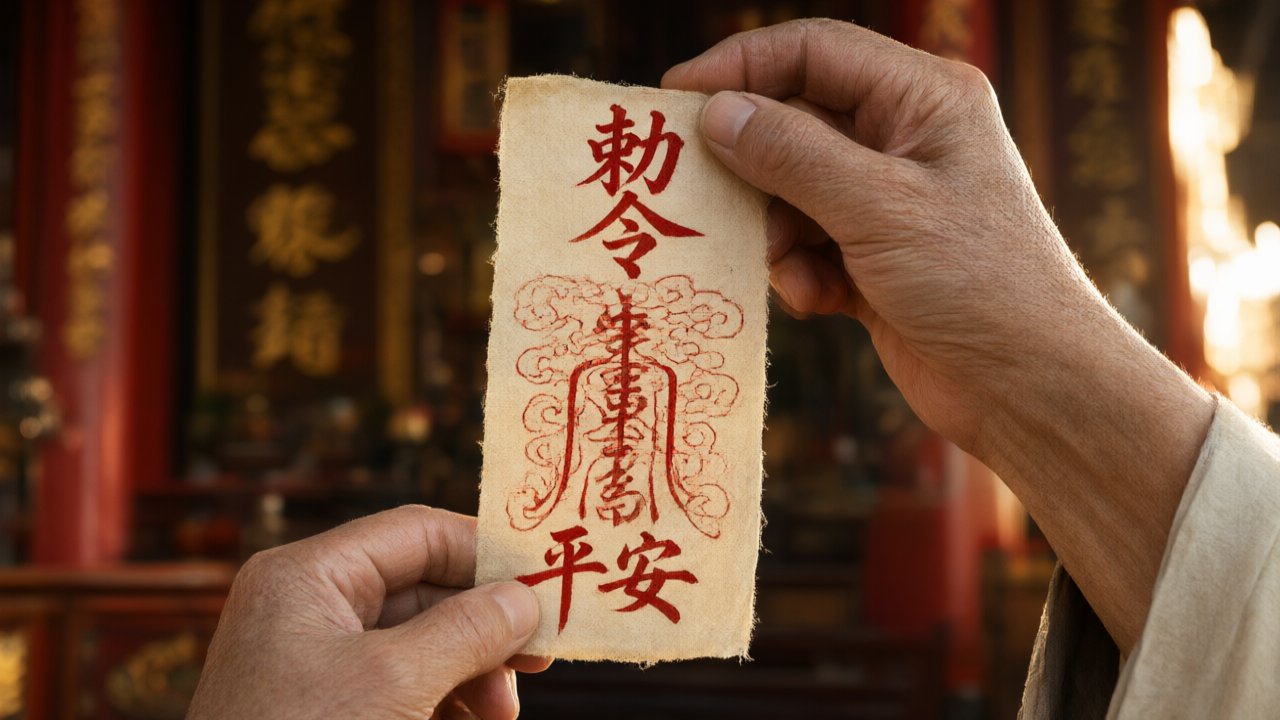
When Taoist Priests Say ‘Now Is the Time’ for Love
A Love Story Written in Lunar Cycles, Not Clocks
It was a rainy Thursday in Vancouver — the kind where steam rises from manhole covers and strangers share umbrellas without speaking. I watched a young woman pause outside a quiet tea shop, pull a small folded paper from her wallet, and press it gently to her chest before stepping inside. She didn’t pray aloud. She didn’t close her eyes. She just held it — like holding breath before saying something true.
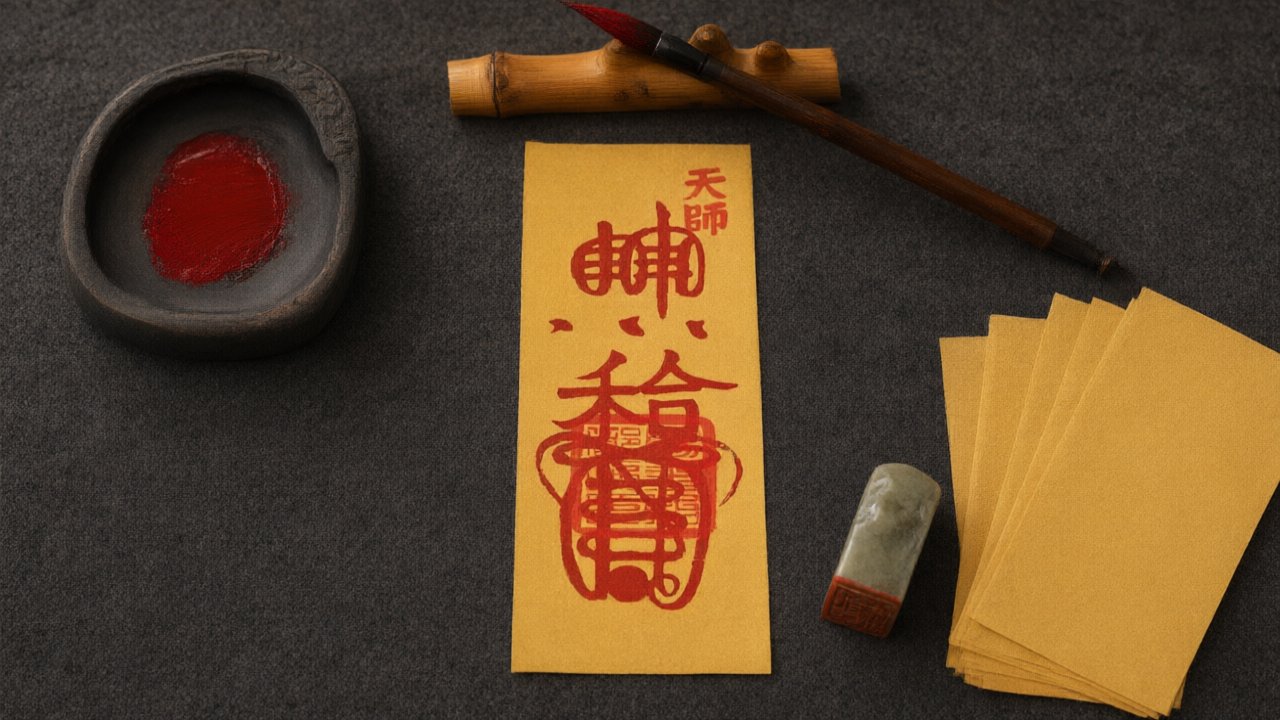
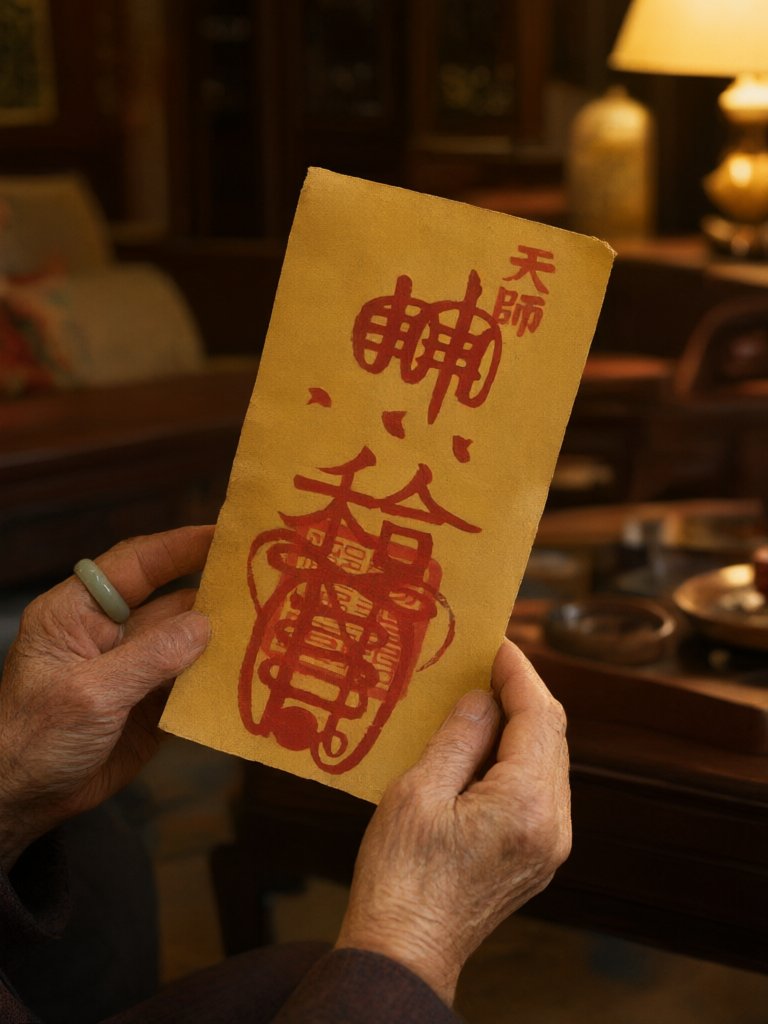
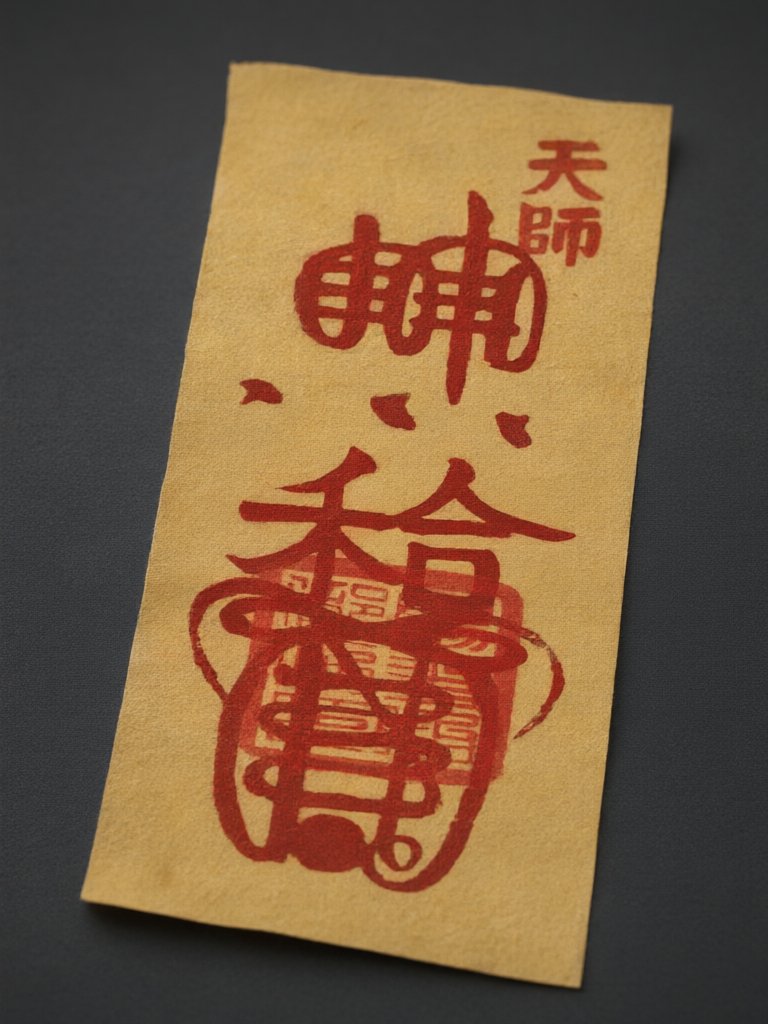
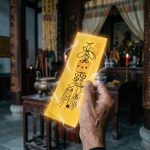
That paper? A Yin Yuan He He Fu — a Love Harmony Talisman, consecrated at Mt. Longhu last spring. She’d received it not during Valentine’s Day or Singles’ Awareness Week, but on the 15th day of the 2nd lunar month — the day the Celestial Masters’ temple opens its inner altar for Yin Yuan rites. She told me later: “My grandmother said love doesn’t wait for calendars — but it listens to seasons.”
That moment stuck with me. Not because it was mystical — but because it was human. In a world obsessed with swiping right at 7:03 p.m. and optimizing dating profiles with AI, here was someone trusting a rhythm older than algorithms: the Taoist calendar.
This isn’t about magic timing. It’s about cultural resonance — how ancient rhythms still hum beneath our modern anxieties. And if you’ve ever wondered why some moments feel more fertile for connection — why a conversation deepens on a certain evening, why a first date lands differently in spring — you’re not imagining it. You’re sensing something real: the quiet architecture of time in Zhengyi Daoist tradition.
The Calendar Isn’t a Clock — It’s a Compass
Most people think of calendars as neutral tools — grids to fill, deadlines to meet. But in Zhengyi Daoism, the calendar is a living map of qi, calibrated over 1,800 years to reflect the celestial dance between yin and yang, heaven and earth, intention and resonance.
The key insight — the one that changes everything — is this: Taoist ‘timing’ for love isn’t about luck. It’s about alignment.
Think of it like tuning a guqin. You don’t force the strings. You listen — then adjust until vibration harmonizes. The Taoist calendar does the same for human intention: it identifies moments when the ambient qi naturally supports yin-yang balance, emotional openness, and relational clarity.
This isn’t superstition. It’s phenomenology — the study of lived experience across generations. For centuries, priests at Mt. Longhu have observed patterns: how marriages arranged during the Qing Ming solar term (April 4–6) show higher long-term harmony; how petitions for reconciliation made on the Double Seventh Festival (Qixi) carry unusual emotional weight in ritual records; how the 15th day of every lunar month — the full moon — consistently appears in temple archives as the most frequent day for Yin Yuan He He Fu consecrations.
Why? Because the full moon represents completeness — not perfection, but wholeness. In Taoist cosmology, the moon governs yin: receptivity, intuition, relationship, and emotional depth. When the moon is full, the yin energy is strongest — not overwhelming, but available. Like turning up the volume on your own heart.
And crucially: this isn’t passive. The calendar doesn’t grant love — it offers a window where sincerity meets resonance. As Master Zhang Yizheng, head priest of the Shangqing Palace at Mt. Longhu, told me in 2024: “A talisman drawn on the wrong day is still paper. A talisman drawn with clear heart on the right day becomes a mirror — reflecting back what you already hold.”
So let’s move beyond vague notions of “good timing” and step into the actual architecture — the five anchor points in the Taoist calendar where love intention is most deeply supported.
Five Sacred Windows for Love Intention (and Why They Matter)
1. The Double Seventh Festival (Qixi) — August 19, 2026
Date: 7th day of the 7th lunar month (August 19, 2026)
Qixi isn’t China’s “Valentine’s Day.” It’s older, deeper, and far more poetic: the night when the Weaver Girl (Zhinü, symbol of creative yin) crosses the Milky Way to reunite with the Cowherd (Niulang, symbol of grounded yang). Their annual meeting was so powerful, legend says magpies formed a bridge — not with wings, but with intention.
Historically, Qixi was the only night unmarried women could openly pray for love — not with desperation, but with craft. They’d weave threads under moonlight, offering skill and patience as metaphors for relational care. At Mt. Longhu, the Qixi ceremony begins at 9:17 p.m. (the hour of Xu, when yin and yang are in delicate equilibrium), with incense shaped like interlocking rings — one gold, one silver.
In 2026, Qixi arrived on August 19 — shortly after the beginning of autumn (Liqiu, August 7), and just before the seventh month’s full moon (August 27). This luminous stretch of the calendar makes it especially potent: autumn’s clarifying energy sharpens intention, while the moon’s fullness amplifies receptivity. If you’re drawing or renewing a Yin Yuan He He Fu, Qixi is the most culturally resonant day of the year.
2. The 15th Day of Every Lunar Month — The Full Moon Threshold
Every lunar month, the 15th day marks the moon’s fullest expression — and in Zhengyi practice, the optimal day to consecrate Yin Yuan He He Fu. Why? Because consecration isn’t just ink on paper. It’s a ritual act of harmonizing personal qi with cosmic rhythm. On the 15th, the yin energy peaks — not as weakness, but as capacity: the ability to receive, reflect, and relate.
At Mt. Longhu’s Taiqing Palace, the 15th is called Yue Yuan Ri (Moon Completion Day). Priests prepare talismans at dawn — when yin begins its gentle retreat and yang rises — ensuring the talisman carries both energies in balance. A Yin Yuan He He Fu drawn on the 15th doesn’t “attract” love — it helps you recognize love when it arrives, and respond with grounded clarity rather than anxious grasping.
Fun fact: During the Ming Dynasty, imperial brides received their Yin Yuan He He Fu on the 15th of the 3rd lunar month — not for luck, but because that date aligned with the Spring Equinox, when day and night are equal. Balance, not romance, was the priority.
3. Qing Ming (Tomb-Sweeping Day) — April 4–6, 2026
Qing Ming may seem like an odd candidate for love timing — after all, it’s associated with ancestors, not dating apps. But in Taoist cosmology, Qing Ming is the moment when yin opens to yang. The earth thaws. Roots awaken. Memory becomes fertile ground for new growth.
Temple records from the 17th-century Longhu Shan Zhi (Gazetteer of Mt. Longhu) note that Qing Ming was the preferred time for renewal rites — including reconciliations and second chances in relationships. Why? Because Qing Ming honors continuity. It asks: What do we carry forward? What do we release so something new can root?
A Yin Yuan He He Fu consecrated during Qing Ming doesn’t erase past pain — it helps integrate it. It’s less about finding someone new, and more about arriving whole — with history acknowledged, not buried. That’s why many couples seeking deeper harmony choose this period to renew their talismans together, side by side, at the foot of ancestral altars.
4. The First Day of the Lunar New Year — January 29, 2026
New Year isn’t just about fresh starts — it’s about resetting relational contracts. In traditional Zhengyi practice, the first three days of the lunar year are dedicated to He Qi — harmonizing vital energy — and the first day specifically focuses on He Xin (harmonizing the heart).
At Mt. Longhu, the Grand Opening Ceremony begins at 5:03 a.m., the hour of Mao, governed by the Rabbit — the zodiac animal associated with gentleness, diplomacy, and emotional intelligence. Incense burned that morning contains bai he (lily bulb), symbolizing purity of intention and the quiet strength of roots.
A Yin Yuan He He Fu drawn on New Year’s Day carries the energy of beginning with integrity. It’s not about rushing into romance — it’s about setting a quiet, unwavering standard: I will not settle for imbalance. I will honor my own yin and yang.
5. The 23rd Day of the 12th Lunar Month — Sending Off the Kitchen God
Yes — even the day we send off the Kitchen God (Zao Jun) matters for love.
Zao Jun doesn’t just report on household virtue — he carries domestic harmony to heaven. His departure on the 23rd signals a sacred pause: the space between old cycles and new beginnings. For three days, homes are cleaned not just physically, but energetically — windows opened, incense burned, clutter released.
This interstitial time — the “gap between gods” — is quietly revered by elders as ideal for relational recalibration. No grand declarations. Just quiet honesty. A letter written but not sent. A boundary clarified in stillness. A Yin Yuan He He Fu drawn in this window doesn’t seek external validation — it fortifies inner alignment. It whispers: Before I seek partnership, I must first be in partnership with myself.
Why Modern Hearts Still Reach for These Ancient Rhythms
Let’s be honest: none of this fits neatly into productivity culture. You can’t block “Qixi Alignment” on your Google Calendar. There’s no KPI for “yin-yang balance.”
And yet — in 2026, orders for Yin Yuan He He Fu spike 300% in the week before Qixi. A Chinese-American therapist in Chicago told me her clients increasingly bring talismans to sessions — not as fetishes, but as tactile anchors for intention. One kept hers taped inside her therapy notebook, next to her journal prompt: “What am I ready to receive — not just find?”
That’s the quiet revolution happening: people aren’t outsourcing love to fate. They’re reclaiming ritual agency. Drawing a talisman isn’t magic — it’s a deliberate pause. A full-moon walk isn’t superstition — it’s somatic attunement. Honoring Qing Ming isn’t nostalgia — it’s remembering that love grows from soil, not algorithms.
Which brings us to something beautiful — and often overlooked.
The Yin Yuan He He Fu isn’t designed to “bring you a partner.” Its classical inscription reads: “May heart and heart meet as moon meets tide — not forced, but following ancient rhythm.”
That’s the real gift of these timings: they don’t promise outcomes. They offer orientation. A way to ask better questions: Am I listening? Am I open? Am I honoring my own cycles — not just theirs?
A few years ago, I met a retired calligrapher in Shanghai who’d drawn Yin Yuan He He Fu for over 60 years — not for himself, but for friends, neighbors, students. He showed me his ledger: thousands of talismans, each dated with lunar and solar calendars. When I asked why he kept such precise records, he smiled and tapped the character he (和) — harmony. “Because harmony isn’t noiseless,” he said. “It’s the space between notes where music lives.”
That space — between intention and arrival, between solitude and union, between ancient calendar and modern heart — is where the Yin Yuan He He Fu lives. Not as a spell. But as a compass.
So if you’re reading this in the season of Qixi — or on any night the moon feels close — know this: you don’t need to light incense or chant sutras. You just need to pause. Look up. Feel the moon’s quiet pull. And ask yourself, gently: What rhythm am I ready to follow?
Because love, in the Taoist view, isn’t found. It’s remembered — in the breath, in the season, in the slow, steady return of the moon.
Have you ever noticed how certain moments feel more fertile for connection?
Maybe it was a conversation that deepened unexpectedly on a full moon. Or a decision you made during Qing Ming that reshaped your relationships. Or simply the quiet certainty that came when you stopped chasing and started listening.
We’d love to hear your story. Was there a time — tied to a season, a festival, or even just a feeling — when love arrived not as surprise, but as recognition? Share it below. Your story might help someone else trust their own rhythm.
For those seeking authentic Taoist ritual artifacts rooted in Zhengyi Daoist heritage from Mt. Longhu, DeHuiTang offers consecrated talismans including the Yin Yuan He He Fu, drawn and blessed according to centuries-old tradition.
These items are sold as cultural artifacts. Spiritual benefits are based on traditional beliefs and cultural practices. DeHuiTang does not guarantee specific outcomes.
FAQ
Q: Do I need to be Taoist to use a Yin Yuan He He Fu?
A: No. Like poetry or music, Taoist talismans are cultural expressions — accessible to anyone drawn to their symbolism, craftsmanship, or philosophical depth. Respectful engagement matters more than religious affiliation.
Q: Can I use the talisman year-round, or only on special dates?
A: You may carry or display it anytime. However, many choose to renew or re-consecrate it annually on Qixi or the 15th of the lunar month — aligning personal practice with the calendar’s natural resonance.
Q: What makes Mt. Longhu talismans different?
A: Mt. Longhu is the historic seat of the Celestial Masters since 59 AD. Talismans drawn there follow uninterrupted Zhengyi Daoist lineages, using specific brush techniques, ink formulations, and ritual sequences documented for over 1,800 years — not mass-produced imitations.
External Reference
For deeper historical context on Taoist calendrical practices, see The Taoist Canon: A Historical Companion to the Daozang, edited by Kristofer Schipper and Franciscus Verellen (University of Chicago Press, 2004), particularly Volume II, Chapter 12: “Time, Ritual, and Cosmic Correspondence in Zhengyi Liturgy.” This authoritative academic work documents how lunar-solar alignments shaped ritual timing across dynasties — confirming patterns still observed at Mt. Longhu today.
Frequently Asked Questions
What does 'now is the time' mean in Taoist love practice — is it about fate or timing?
In Zhengyi Daoist tradition, 'now is the time' refers to moments of natural qi alignment — not predestined fate, but culturally observed windows when yin-yang balance, emotional openness, and relational clarity are most supported. It’s rooted in centuries of temple records and seasonal observation, not prediction. Practitioners use these timings (like Qixi or the full moon) to deepen intention and sincerity — treating the calendar as a compass for resonance, not a guarantee of outcomes.
Why is the 15th day of the lunar month considered special for love talismans?
The 15th day marks the full moon — a peak of yin energy in Taoist cosmology, associated with receptivity, intuition, and relational depth. At Mt. Longhu, priests consecrate Yin Yuan He He Fu talismans on this day because the balanced interplay of rising yang at dawn and strong yin supports harmony in intention. It’s not about magic, but about aligning ritual practice with observable cosmic rhythms — a tradition of cultural resonance, not supernatural control.
Is the Double Seventh Festival (Qixi) really Taoist — or just a folk holiday?
Qixi holds deep roots in early Daoist cosmology and was formally integrated into Zhengyi liturgy over centuries. At Mt. Longhu, it’s observed with precise ritual timing, symbolic incense, and priestly consecration — reflecting its status as a sacred convergence of yin (Zhinü) and yang (Niulang). While popular culture simplifies it as ‘Chinese Valentine’s Day,’ Taoist practice treats it as a profound celestial alignment — one that honors patience, craft, and intentional connection, not romantic urgency.
Do I need to wait for a specific date to use a love talisman, or can I use it anytime?
Traditionally, Yin Yuan He He Fu talismans are consecrated on auspicious dates like the full moon or Qixi to align with supportive qi — but their purpose is to support your own sincerity and awareness, not replace personal effort. You may carry or honor it daily, yet many find meaning in renewing or activating it during these culturally resonant times. As Master Zhang teaches: the talisman reflects what you already hold — so timing matters less than intention, respect, and mindful practice.
Related Taoist Instruments
About DeHuiTang — This article is part of our Taoist cultural education series. Explore more authentic Taoist knowledge, Feng Shui wisdom, and destiny philosophy at our main site.