Your Office Is Blocking Your Career — Here’s the Feng Shui Fix
You got the promotion. You upgraded your desk. You even bought that ergonomic chair you’d been eyeing for months.
Yet something feels off.
Meetings stall. Ideas vanish mid-sentence. Projects you poured your soul into get quietly sidelined. Your boss praises your work — then assigns the next big opportunity to someone else. You’re working harder, but your career isn’t moving forward. Not just slowly — stuck. Like there’s an invisible wall between you and your next breakthrough.
You’ve tried affirmations. You’ve reorganized your calendar. You’ve even changed your LinkedIn headline three times.
But no matter what you do, the energy in your workspace feels heavy — static, resistant, uncooperative.
This isn’t burnout. It’s not imposter syndrome. And it’s definitely not bad luck.
It’s sha qi — destructive energy — quietly accumulating in your office. And according to 1,800-year-old Zhengyi Daoist wisdom from Mt. Longhu (龙虎山), it’s one of the most common, overlooked career blockers in modern workplaces.
Why Your Desk Isn’t Just Furniture — It’s a Qi Field
In 59 AD — the same year the Celestial Masters’ mansion was first built at Mt. Longhu — Taoist geomancers began mapping how human-made spaces interact with qi, the vital life force that flows through all things. They didn’t call it ‘feng shui’ back then. They called it kan yu — “wind and water” — because wind scatters qi, and water gathers it. And they discovered something profound: a workspace doesn’t just reflect your energy — it actively shapes it.
Think of your office as a living ecosystem of energy. Every surface, corner, plant, and object either supports or disrupts the flow of sheng qi — auspicious, nourishing energy — or invites sha qi, the sharp, stagnant, or chaotic energy that undermines focus, confidence, and opportunity.
Here’s what most people miss: sha qi doesn’t always look dramatic. It doesn’t need broken mirrors or cluttered floors. It hides in plain sight — in the potted fern beside your monitor, the stagnant water feature on your shelf, the empty corner behind your filing cabinet, or the bare wall directly opposite your chair.
That moment stuck with me — because it revealed the quiet power of intentionality. Feng shui isn’t magic. It’s physics — spiritual physics. And your office is far more responsive than you think.
The 3-Step Feng Shui Reset for Your Workspace (Do This Today)
The good news? Unlike destiny charts or annual Tai Sui rituals, workplace feng shui is immediately actionable. You don’t need to wait for a lunar date or consult a master. With three precise, rooted-in-tradition adjustments, you can begin redirecting sheng qi — and unblocking your career path — within hours.
Step 1: Activate the Zuo Bi — Your Power Position (Do This First)
In classical kan yu, your zuo bi — literally “left arm” — is the area to your left as you sit facing your desk. This zone governs authority, recognition, and support from superiors. In ancient temple offices, senior priests always kept their zuo bi backed by solid walls, shelves of sacred texts, or tall evergreen plants — never windows, doors, or open corridors.
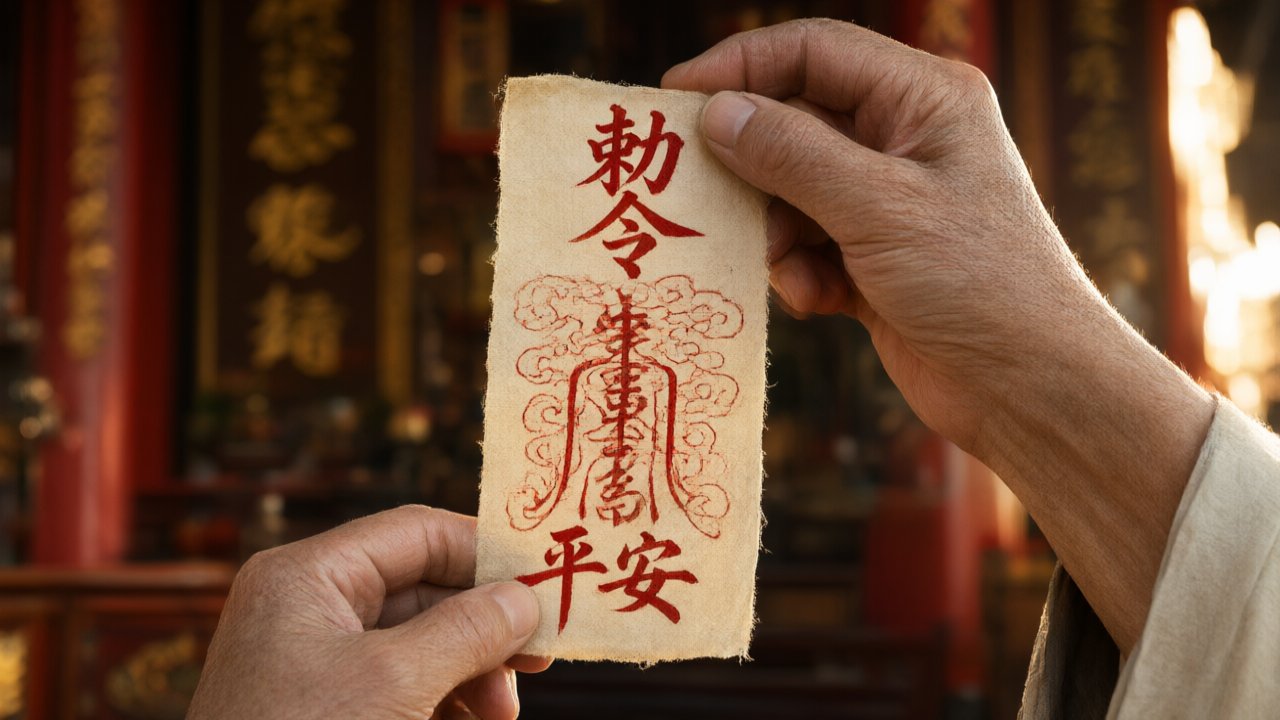
Mt. Longhu Consecrated 2027 Tai Sui Talisman (Zhi Nian Tai Sui Fu) – Grand General Miao Bing | Ward Off Annual Misfortune for Goat, Ox, Dog, Rat & Dragon
2027 丁未年值年太歲符,奉請當值星君繆丙大將軍,由正一龍虎山法脈道長依傳統開光科儀如法製就。犯太歲之歲,傳統上易招是非、口舌、官司、破財、小人、健康與家宅不寧等波折;此符用以安奉太歲、化解災
Why? Because qi needs stability to gather. When your left side is exposed — especially to movement or drafts — your energy field becomes vulnerable. You may feel hesitant to speak up, second-guess your ideas, or sense subtle resistance from leadership.
✅ What to do today: Place one tall, upright plant — like a snake plant (Sansevieria trifasciata) or a jade plant (Crassula ovata) — directly to your left. Not behind you. To your left, within arm’s reach. Avoid vines, weeping willows, or anything with drooping or spiky leaves — those scatter or cut qi. Choose rounded, waxy, upward-growing foliage. If space is tight, a small brass Wen Chang Pagoda (文昌塔) works equally well — its nine tiers symbolize scholarly ascent and command respect.
🌿 Pro tip: Water your plant every Tuesday — the day associated with Jupiter in Chinese astrology, the planet of expansion and growth. This small ritual aligns your action with cosmic timing.
Step 2: Calm the Shui Kou — Your Water Feature’s Secret Role
Water represents wealth, opportunity, and flow. But here’s what most office feng shui guides get wrong: not all water is equal. A bubbling desktop fountain may look auspicious — but if the water moves too fast, splashes, or sits stagnant for days, it creates sha qi, not sheng qi.
Ancient texts like the Yin Zhai Shu (Book of Hidden Residences) warn against “angry water” — water that rushes, spills, or pools without circulation. In the Zhengyi Daoist tradition, water features are consecrated only after their placement has been verified using a luo pan — the sacred feng shui compass — to ensure alignment with the Xuan Kong (Mysterious Void) star chart for that year.
In 2026, the dominant water star (Star #8, the Wealth Star) resides in the southwest sector — the area linked to relationships, mentorship, and collaborative success. That means: your water feature must be placed in the southwest corner of your office or your desk’s southwest quadrant — and it must move gently, silently, and continuously.
✅ What to do today: Relocate your water feature — or add one — to the southwest corner of your workspace. Use distilled or filtered water (tap water contains chlorine, which disrupts energetic resonance). Add a single smooth river stone to slow the current and ground the flow. Clean the basin every Friday — the day of Venus, planet of harmony and value. If you don’t have a fountain, place a small, sealed glass globe filled with water and a single dried lotus seed — a traditional Mt. Longhu symbol of unstirred clarity.
💧 Real-world case: A project manager in Toronto moved her desktop fountain from the northeast (a clashing sector for 2026) to the southwest and added the river stone. Within 11 days, she was invited to co-lead a cross-departmental initiative — her first leadership role outside her team in 4 years.
Step 3: Seal the Kong Wang — The Empty Corner That Leaks Opportunity
Every office has a kong wang: an empty, unused corner — often behind filing cabinets, under desks, or beside doorways. In Taoist spatial theory, these voids act like energetic drains. They don’t just absorb dust — they absorb intention, confidence, and forward momentum. Over time, they create what masters call qi xie — “leaking energy” — where your best ideas, proposals, and promotions quietly evaporate before they land.
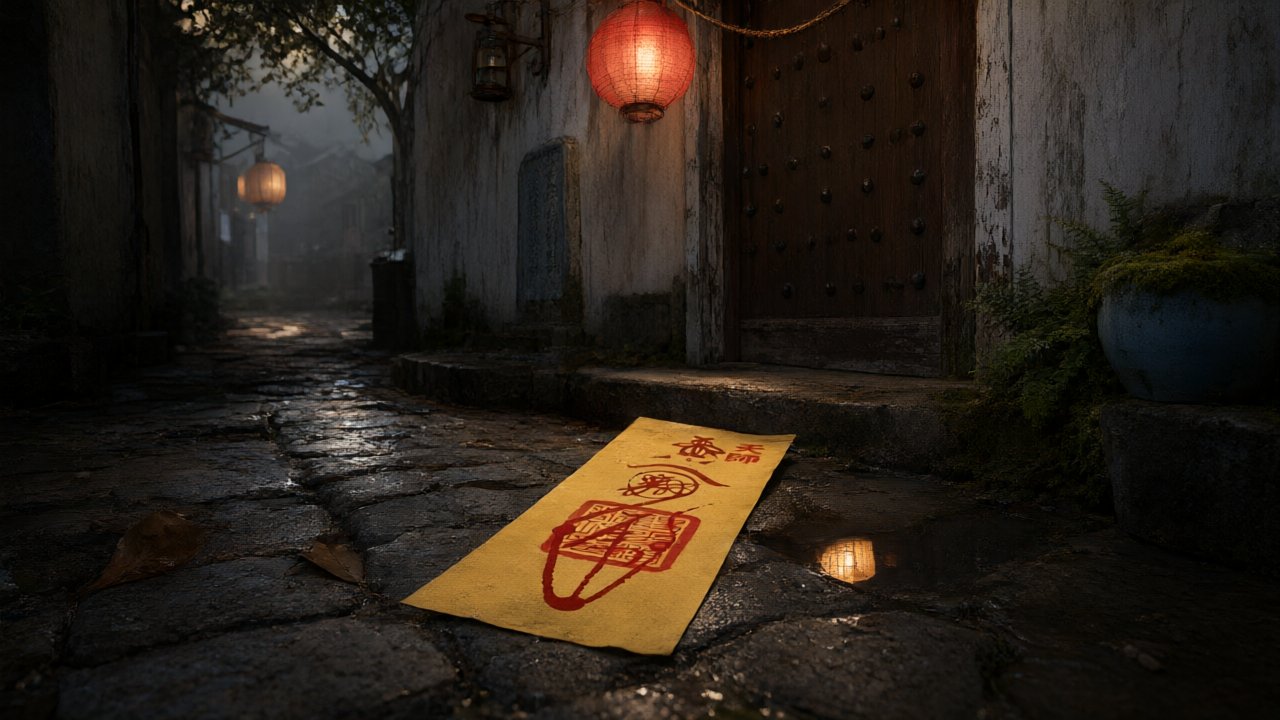
This concept appears in the Huangdi Neijing (Yellow Emperor’s Inner Canon), where it states: “Where emptiness gathers, spirit disperses.”
The fix isn’t about filling space with junk. It’s about activating intention in that zone.
✅ What to do today: Identify the kong wang in your office — usually the farthest corner from your main entrance, or the one behind your chair. Then place one of the following:
– A brass dragon turtle (龙龟) — its dragon head faces outward, its turtle shell holds stability, and its coins attract opportunity.
– A small, upright five emperor coins string — tied with red thread and hung on the wall just above the floor level.
– Or — if space allows — a single, healthy money tree (Pachira aquatica) planted in a round ceramic pot (round = unity; green = growth).
Do not use mirrors, crystals, or sharp objects here. Those deflect or fracture energy — they don’t seal.
🐢 Bonus authenticity note: The dragon turtle talisman design used by Mt. Longhu priests since the Ming Dynasty includes three specific coin inscriptions — Kang Xi Tong Bao, Qian Long Tong Bao, and Guang Xu Tong Bao — each chosen for its imperial resonance with prosperity and endurance.
When Plants and Water Aren’t Enough: The Consecrated Anchor
Let’s be clear: These three steps are powerful. They work. But they’re environmental adjustments — like tuning an instrument. What if your instrument has been out of tune for years? What if your personal energy field — your wei qi — has become so accustomed to resistance that it instinctively contracts, even in a perfectly arranged space?
That’s where authentic Taoist ritual enters the picture.
At Mt. Longhu, every year on the 23rd day of the 12th lunar month, the Grand Sending-Off Gods ceremony takes place — a 3-day rite where ordained priests consecrate talismans, tools, and spaces for the coming year. During this ritual, kaiguang — “opening the light” — is performed on each item: incense smoke traces sacred characters onto paper, bells purify the air, and chants invoke celestial guardianship.
This is not symbolic. It’s transmission.
The office business storefront feng shui talisman — hand-drawn by 73rd-generation priests and consecrated during the 2026 Grand Ceremony — was specifically designed to anchor sheng qi in professional environments. Its central character, Jin, means “advance” — but written in the ancient zhuan shu seal script, it carries the weight of celestial mandate. Flanking it are the Wen Chang (Scholar God) and Guan Yu (God of Integrity) symbols — not for luck, but for recognition earned and trust honored.
When worn discreetly in your wallet, pinned inside your laptop sleeve, or placed beneath your desk mat, it doesn’t override your effort. It amplifies your alignment — helping your clarity cut through noise, your proposals land with authority, and your presence register as both grounded and capable.
It’s the difference between polishing a lens — and having the lens already calibrated.
For those seeking authentic office business storefront feng shui tools rooted in unbroken Zhengyi Daoist tradition, Dehui Hall offers the consecrated talisman drawn and blessed at Mt. Longhu — not mass-produced, not digitally rendered, but hand-inscribed and ritually awakened.
Taoist talismans are sacred spiritual tools rooted in 1,800 years of tradition. Their power comes from sincere belief and the consecration rituals of ordained priests. Results vary by individual — approach with an open heart and respectful intention.
What area of your life feels most blocked right now?
Further Reading & Cultural Context
- Feng shui principles — Traditional Chinese geomancy and environmental harmony
- Talismans in world cultures — Cross-cultural overview of talismanic traditions
FAQ
Q: Can I use fake plants instead of real ones?
A: Real, living plants carry sheng qi — the breath of growth and resilience. Artificial plants hold no energetic resonance and may even accumulate chen qi (stale energy) over time. If allergies or maintenance are concerns, choose low-maintenance species like ZZ plants or snake plants — both thrive on neglect and emit oxygen at night.
Q: My office is shared — how do I apply feng shui without rearranging everything?
A: Focus on your personal zone: the 3-foot radius around your chair and desk. That’s your sovereign territory. Use a small brass Wen Chang Pagoda to your left, a miniature water globe in your southwest corner, and a dragon turtle keychain clipped to your bag — all portable, personal, and potent.
Q: Does the direction my desk faces matter?
A: Yes — but not in the way most guides suggest. Classical kan yu prioritizes backing and viewing over cardinal directions. You want a solid wall or bookshelf behind you (symbolizing support), and a clear, unobstructed view of the door — not through it, but toward it. This creates what masters call “command position”: you see opportunity arrive before it reaches you.
Final Thought: Your Office Is a Living Contract
Your workspace is more than square footage and furniture. It’s a silent contract — between you and the unseen forces that shape influence, insight, and opportunity. For centuries, Taoist masters didn’t treat offices as neutral zones. They treated them as ritual chambers — places where intention, environment, and celestial timing converge.
You don’t need to believe in spirits to feel the shift when sha qi lifts. You’ll notice it in the steadiness of your voice in meetings. In how quickly your emails get replies. In the way your ideas stop feeling like suggestions — and start feeling like inevitabilities.
Start with one step today. Move that plant. Relocate your fountain. Fill that empty corner.
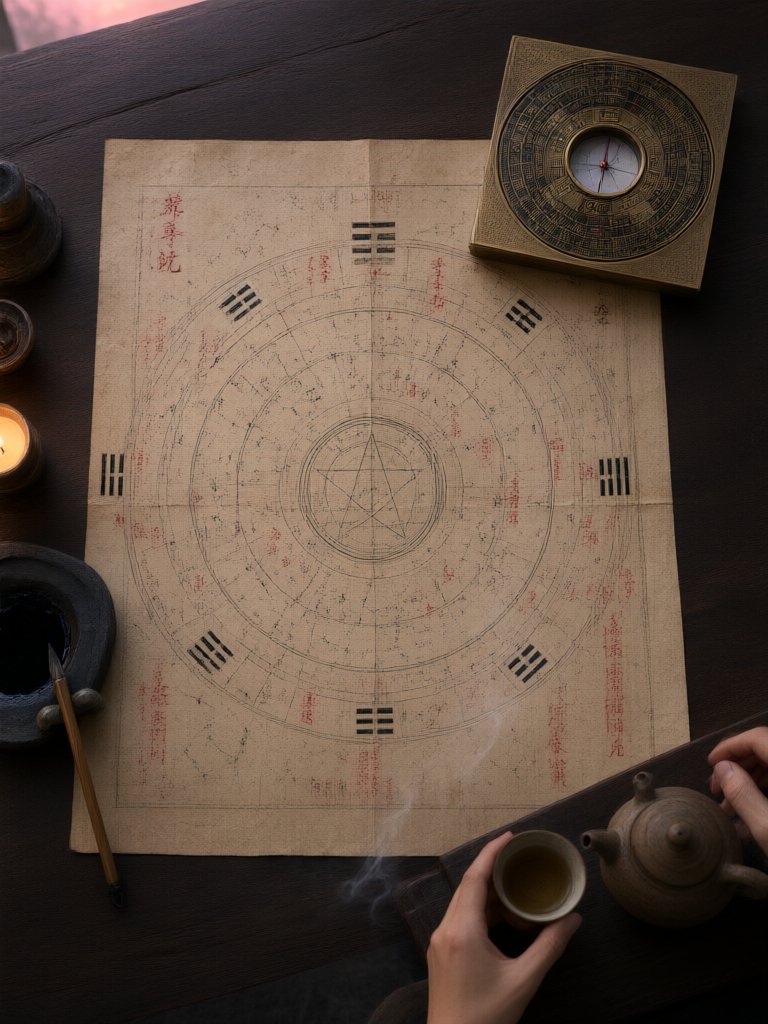
Then ask yourself: What would my career look like — if nothing were blocking it?
That question isn’t rhetorical. It’s an invitation — written in qi, waiting for you to answer.
Frequently Asked Questions
Can I use fake plants instead of real ones?
Real, living plants carry sheng qi — the breath of growth and resilience. Artificial plants hold no energetic resonance and may even accumulate stale energy over time. If allergies or maintenance are concerns, choose low-maintenance species like ZZ plants or snake plants.
My office is shared — how do I apply feng shui without rearranging everything?
Focus on your personal zone: the 3-foot radius around your chair and desk. That’s your sovereign territory. Use a small brass Wen Chang Pagoda to your left, a miniature water globe in your southwest corner, and a dragon turtle keychain clipped to your bag — all portable, personal, and potent.
Go Deeper
- BaZi Chart Reading — free, takes about two minutes: read your Four Pillars chart for this year
- If you want the physical remedy behind this article, browse our consecrated talismans and feng shui pieces.
Related Taoist Instruments
About DeHuiTang — This article is part of our Taoist cultural education series. Explore more authentic Taoist knowledge, Feng Shui wisdom, and destiny philosophy at our main site.